Finest 4-star hotels in Occitanie
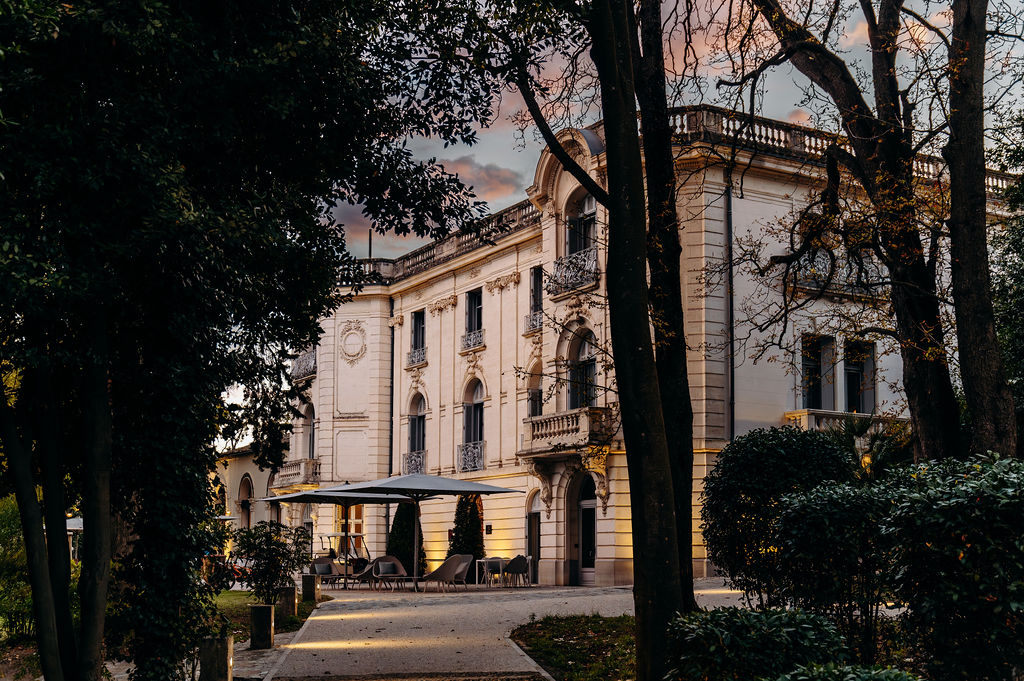
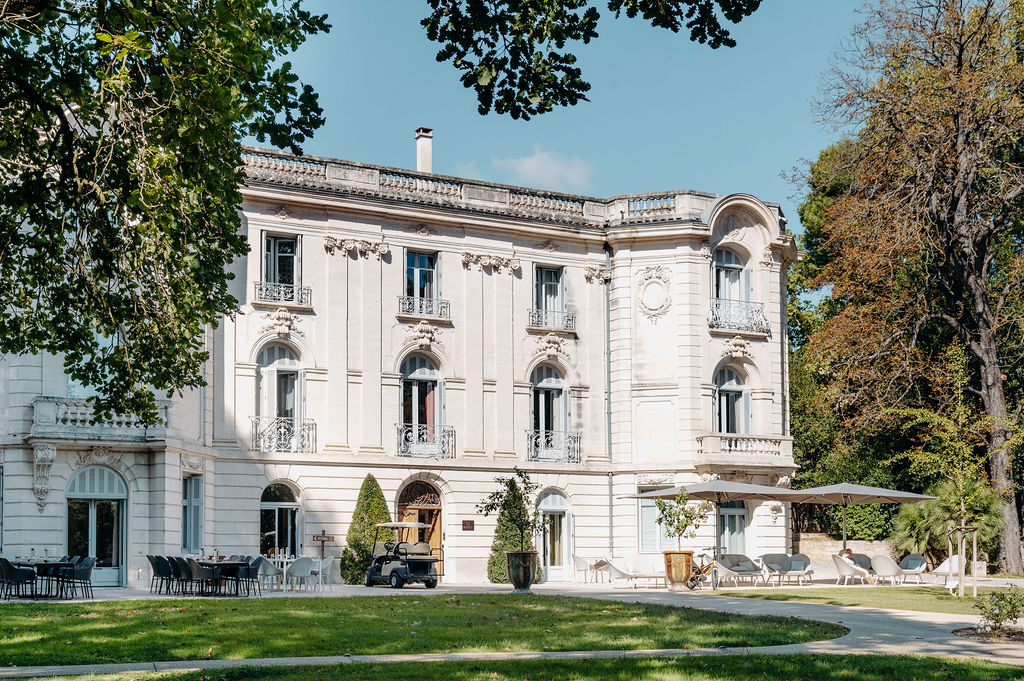
Neither a city hotel nor a seaside resort, Domaine de Biar holds a unique place in the Occitan hospitality landscape. Just a few kilometers from the historic center of Montpellier, this former 18th-century "folie" combines the charm of a country house, the comfort of a 4-star hotel, and a level of service worthy of a 5-star establishment. It is an address that cherishes its discretion: it likes to be known, but not too well! Recognized by the Michelin Guide, the estate has another major asset: its prime location for exploring the riches of Occitanie, from Roman cities and medieval villages to Mediterranean landscapes.
A different take on hospitality
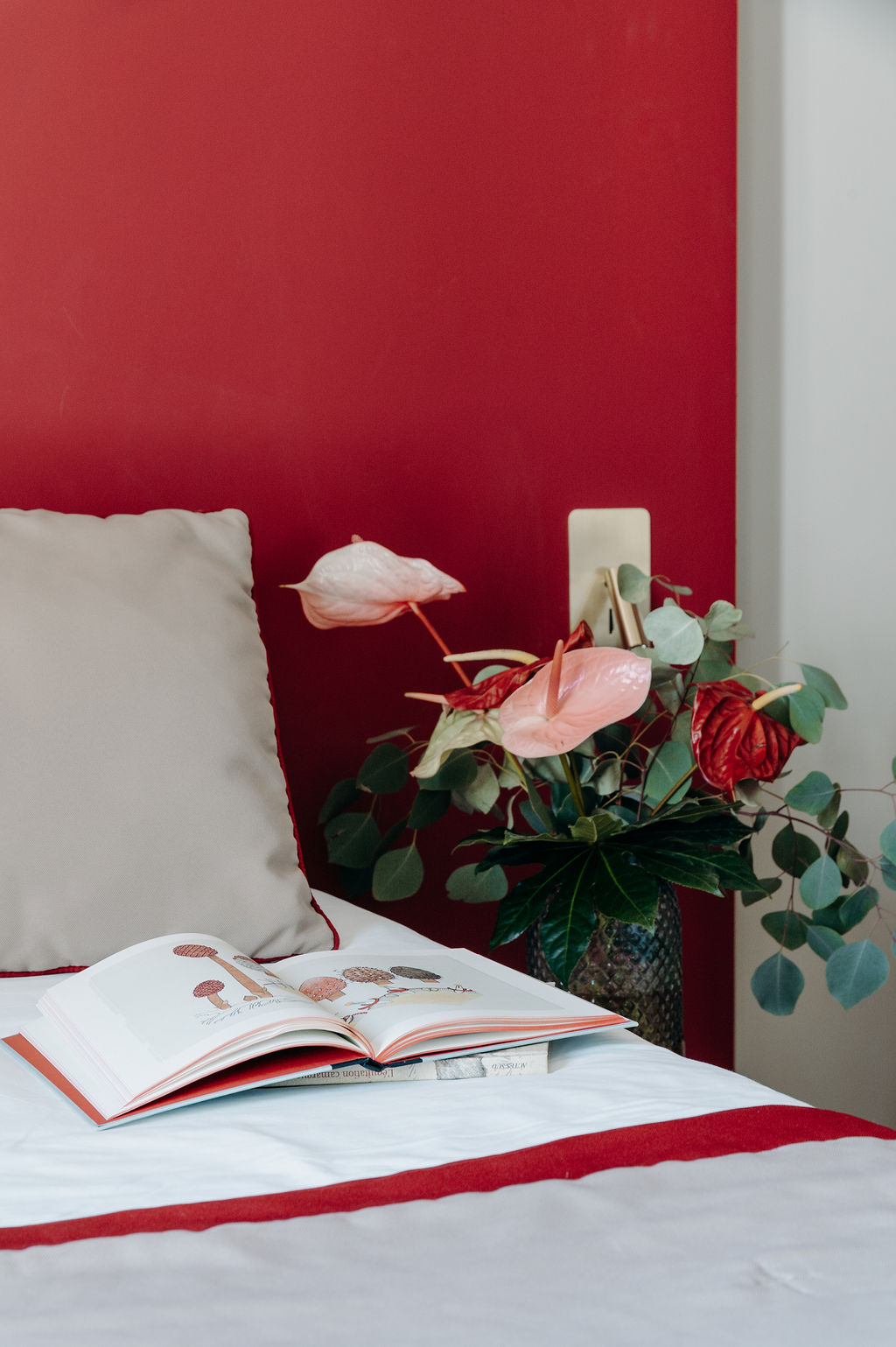
At a time when many hotels are piling on amenities and experiences, Domaine de Biar takes the opposite approach. There are no televisions in the rooms, but rather an invitation to reconnect with simple pleasures: birdwatching, walking in the shade of oak and hackberry trees, or visiting the horses in the meadows. You can also book a yoga class, treat yourself to an outdoor massage in the warmer months, or pick a book from the library before settling into the music room—by the fireplace when the first chill sets in, or out in the park when the sun is shining. This desire to slow down does not come at the expense of service; quite the contrary. It is reflected in the team's personalized attention and even in the cuisine. At La Table de Biar, chef Mathieu Garcin offers inventive semi-gastronomic cuisine, to be discovered through a blind-tasting menu. You choose the number of courses, then let yourself be guided. It’s a rather pleasant way to stop having to make every decision. And that is also what makes it one of the finest 4-star hotels in Occitanie.
Heading east in the footsteps of Antiquity
Ideally located between the Gard to the east and the Biterrois to the west, Domaine de Biar allows you to enjoy numerous excursions without spending your whole day behind the wheel. Less than an hour's drive away, Nîmes is well worth the detour, and not just for its Roman ruins. Start with the Arena, one of the best-preserved ancient amphitheaters in the world, where the old stones contrast with the Musée de la Romanité and its undulating facade designed by Elizabeth de Portzamparc. Continue to the Maison Carrée, a UNESCO World Heritage Roman temple that faces the Carré d’Art, a temple of contemporary art made of glass and steel, designed by architect Norman Foster. And if you still have some energy left, climb through the Jardins de la Fontaine up to the Tour Magne to enjoy a breathtaking view of the city. Still not satisfied by two thousand years of history? The Pont du Gard offers a final lesson in Roman architecture, with its three levels of arches spanning the Gardon River at a height of nearly 49 meters. It is a technical feat best appreciated from the riverbanks.
Heading west between land and sea
About forty minutes from the hotel, Pézenas has preserved beautiful 17th and 18th-century private mansions from its rich past, some of which hide remarkable interior courtyards. It is a pleasure to get lost in its narrow streets, where antique dealers and artisans have set up shop on the ground floors of historic homes. This is a town whose lively atmosphere Molière already appreciated in the 17th century when he came to perform with his troupe. Saint-Guilhem-le-Désert offers a completely different kind of stroll. Nestled at the foot of limestone cliffs, this village has retained all its medieval character. Wander through its alleys to the Abbey of Gellone, a jewel of Romanesque art, before—for the more adventurous—tackling the Sentier des Fenestrettes, an old mule track that overlooks the Cirque de l’Infernet. The atmosphere changes in Sète, where you can start by tasting some oysters or "tielles" at the covered market before walking along the canals and the fishing port. And why not follow up with some cultural visits? The city of Georges Brassens is full of options, starting with the Paul Valéry Museum, located above the Marine Cemetery, or the MIAM (International Museum of Modest Arts), founded by Hervé Di Rosa and Bernard Belluc, which joyfully blurs the lines between folk art and contemporary art. Not to mention the MaCO (Open-Air Museum), a street art trail born from the K-LIVE festival, which brings together around forty murals. All these journeys may well fuel your dreams once you’ve slipped into the fine linens at Domaine de Biar.
Article written by journalist Emmanuelle Dreyfus - Yonder
More
articles


FOLLOW US
ON INSTAGRAM